

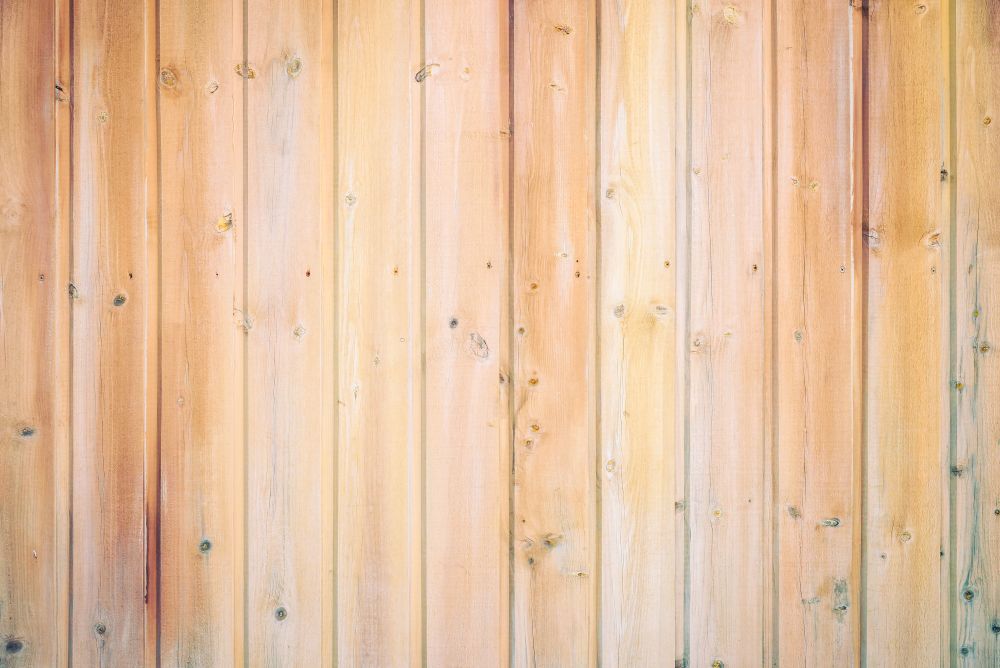
Choosing the right wood for your fence can feel overwhelming with so many options out there. Cedar has long been a go-to material for homeowners who want something that looks good and lasts. This post breaks down why cedar gets so much attention, from its natural durability to its resistance to rot and insects. A trusted fence company can help you decide if cedar fits your property and budget. We’ll cover the pros, costs, maintenance, and environmental impact so you can make an informed decision.
Durability of Cedar for Fencing
Cedar brings a solid combination of natural strength and resistance to weather-related wear, which is why cedar fencing is a popular choice for long-term outdoor use. It’s known for resisting warping, twisting, and cracking, making it a smart pick for areas with unpredictable weather. Compared to other wood types, cedar’s tight grain and natural oils give it extra protection against moisture, decay, and insect damage. The wood stays stable over time, which means you won’t be out there fixing it constantly. For homeowners who want a fence that holds up without a ton of upkeep, cedar is a good choice.
Resistance to Rot and Insects
One of cedar’s biggest selling points is its resistance to rot and insects. The wood contains natural oils and compounds that act as built-in preservatives, protecting it from moisture damage and pests. This means cedar fences typically last longer than other wood options without needing chemical treatments. When exposed to rain, snow, and humidity, cedar keeps its structure and appearance with minimal effort on your part. Woods like pine or fir break down faster and attract more insects, but cedar holds strong year after year. This natural durability makes cedar a strong alternative to options like chain link fence installation Tacoma WA homeowners prefer for built-in protection.
Aesthetic Appeal of Cedar Fences
Cedar fences bring a warmth and richness that instantly upgrades a property’s look. The wood does more than mark a boundary; it adds character and a polished feel to any outdoor space. Here’s what makes cedar stand out visually:
- Natural Beauty: Cedar’s grain patterns and color variations give each fence a one-of-a-kind appearance.
- Versatility: The wood works well in traditional picket designs or modern horizontal layouts, adapting to different styles without issue.
- Ageing Gracefully: Over time, cedar weathers to a silvery-gray tone that remains attractive and adds personality to the space.
Cost Considerations for Cedar Fencing
Price matters when choosing a fence material, and cedar costs more upfront than options like pine or spruce. For ranch fencing Tacoma WA property owners consider, cedar’s longer lifespan and lower maintenance requirements help offset upfront costs and make it a smart long-term investment compared to lower-grade wood options. When you factor in the money you’d spend on repairs, treatments, and replacements with cheaper wood, cedar ends up being the more cost-effective choice over time. The visual appeal and property value boost that comes with cedar fencing can also offset that initial price tag. It’s worth looking at the full picture, not just what you pay on day one, but what you save down the road.
Maintenance Requirements for Cedar Fences
Taking care of a cedar fence doesn’t require much, but a little attention goes a long way. Here’s what to keep in mind:
- Regular Cleaning: Wipe down or hose off dirt and debris to prevent mold or mildew from building up.
- Sealing or Staining: Apply a protective sealant or stain every 2-3 years to keep the wood in top shape.
- Inspecting for Damage: Check periodically for cracks, rot, or loose boards so you can fix problems before they get worse.
Staying on top of these simple tasks keeps your cedar fence looking good and standing strong for years.
Environmental Sustainability of Cedar Fencing
Cedar fencing makes sense for homeowners who care about environmental impact. The wood naturally resists decay and insects, so you don’t need chemical treatments that can harm the ecosystem. Cedar is also a renewable resource; trees are replanted faster than they’re harvested, keeping the supply sustainable long-term. Compared to other wood types, cedar takes less energy to produce and leaves a smaller carbon footprint. Picking cedar means you get a beautiful, long-lasting fence while making an eco-friendly choice.
Related Topics: