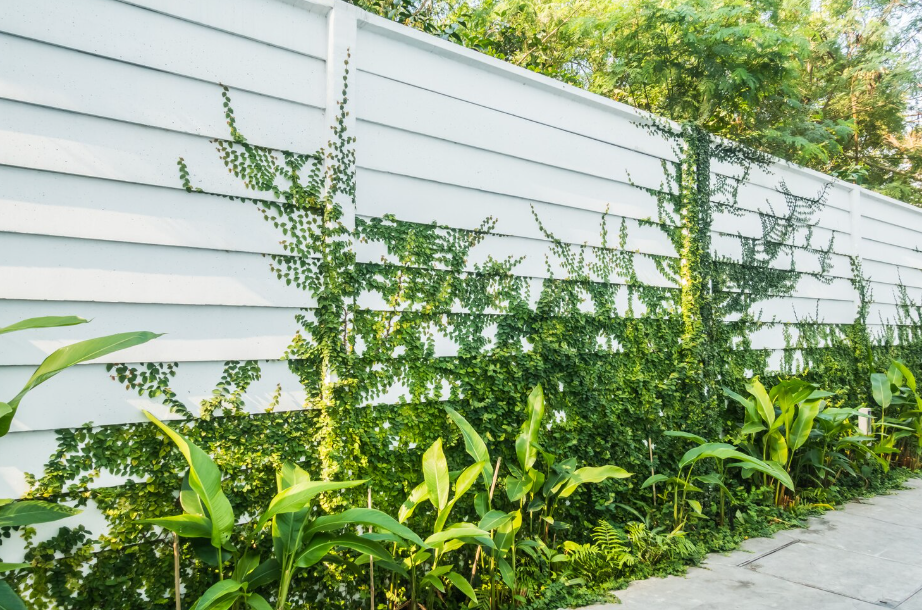
Vinyl fencing isn’t all perfect; it comes with a few things you should know. For starters, the designs are pretty limited. You don’t get much wiggle room if you want something unique, so most fences end up looking standard.
Sunlight and weather can take a toll, too. Over time, you might notice yellowing or fading, which means it’s not entirely maintenance-free. Getting it installed right matters as well, because mistakes can be expensive to fix, and higher-quality materials raise costs.
Repairs can be a headache. You often need special tools, and sometimes the fix isn’t seamless, leaving the fence looking off. There’s also the material itself to consider. PVC is made from petroleum and doesn’t break down naturally, which might be a concern for some.
Extreme temperatures or harsh storms can make panels crack or warp, so checking your fence now and then is a good idea. If you’re unsure or need some advice, a Tacoma, WA local fence company can give you practical insight and options that actually work for your yard.
Limited Design Options
Vinyl fencing offers fewer design choices compared to other fencing materials, which can frustrate homeowners seeking unique aesthetics. Most vinyl fences come in basic colors like white, tan, and gray, providing far less variety than wood or metal alternatives. The design selections typically focus on traditional styles such as picket or privacy fences, with minimal ornamental or decorative options available.
This restriction can disappoint property owners and designers who want a more customized appearance for their space. While vinyl fencing maintains popularity due to its low maintenance requirements and durability, the limited design flexibility remains a significant consideration for those prioritizing visual appeal over practicality.
Potential Yellowing and Fading
UV rays and environmental exposure can cause vinyl fencing to develop yellowing and fading over time. Even though vinyl fences are known for durability and minimal maintenance needs, these external factors gradually affect their appearance. Ultraviolet radiation from sunlight breaks down vinyl molecules, creating a yellowish tint on the fence surface.
Extended exposure to rain, snow, and other weather elements accelerates the fading of the fence’s original color. Property owners can slow these effects through regular cleaning and applying UV-resistant coatings, which help preserve the fence’s appearance and extend its visual lifespan.
Installation Challenges and Cost
Vinyl fence installation presents specific challenges and expenses that require careful planning. Proper installation directly impacts the fence’s longevity and performance, making precision essential throughout the process. The project demands accurate measurements and precise leveling to achieve professional results.
Vinyl fencing costs more initially than materials like wood, with prices varying based on vinyl quality and installation complexity. Professional installation adds to the total expense but ensures proper setup and efficiency. Understanding these installation requirements and associated costs helps property owners budget appropriately and set realistic expectations for their fencing project.
Difficulty With Repairs
Repairing vinyl fencing creates unique challenges due to the material’s specific properties and construction methods. Unlike wood fencing, where individual boards or posts can be easily replaced, vinyl repairs often require specialized tools and professional expertise. The interlocking panel design makes removing and replacing damaged sections difficult without affecting the fence’s structural integrity.
Matching colors between new and existing pieces proves challenging due to fading or discontinued styles over time. Repair work may not blend seamlessly with the original installation, potentially compromising the fence’s visual appeal. Property owners should factor in these repair complexities and ensure access to qualified professionals who can handle vinyl fence maintenance properly.
Environmental Concerns
Vinyl fencing raises several environmental issues related to its production and disposal. When evaluating vinyl fencing from an environmental perspective, key concerns include:
- Vinyl is made from PVC, a type of plastic that is derived from petroleum, a non-renewable resource.
- The production of PVC releases toxic chemicals into the environment, contributing to pollution.
- Vinyl fencing is not biodegradable and can take hundreds of years to decompose in landfills.
- The disposal of vinyl fencing at the end of its lifespan poses challenges for recycling due to its chemical composition.
These environmental factors make vinyl fencing less appealing to eco-conscious property owners who prioritize sustainable materials and practices.
Long-Term Durability Issues
Vinyl fencing can develop various problems over time that affect its long-term performance. Extreme weather conditions, UV radiation, and temperature fluctuations contribute to material degradation. Common issues include cracking, warping, fading, and discoloration as the fencing ages.
While vinyl fencing requires less maintenance than other materials, these durability concerns may eventually require repairs or complete replacement to maintain functionality and appearance. Following manufacturer installation guidelines and conducting regular inspections helps identify potential problems early. Property owners who understand vinyl fencing’s limitations and take preventive measures can better manage long-term durability issues and maximize their fence’s lifespan.
Contact Us
Have questions or ready to get started on your fencing, decking, or gate project? We’re here to help! You can reach Goodrows Fence & Deck by phone at (253) 219‑6682. Our team is happy to answer your questions, provide a free estimate, and walk you through your options.
Prefer to send a message? There’s a contact form on the website where you can leave your name, email, and a brief message, and someone will get back to you as soon as possible.
Business Hours:
- Monday to Friday: 8:00 AM – 5:00 PM
- Saturday & Sunday: Closed
Whether you’re in Spanaway, Puyallup, or the surrounding areas, we’d love to hear from you and help bring your outdoor project to life.
Related Topics: