
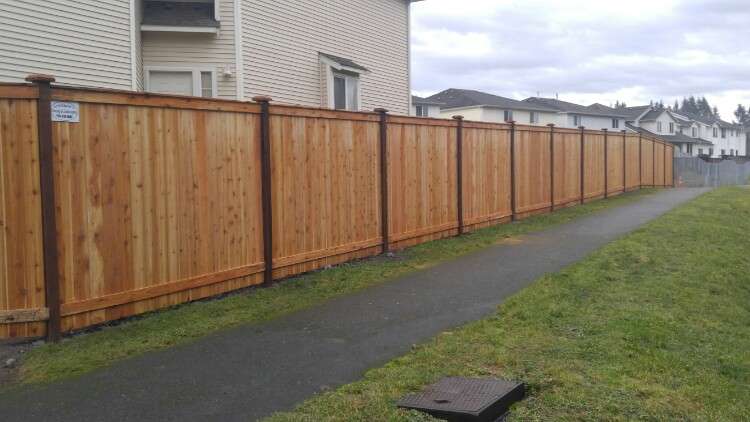


Install a stylish security feature for your property. Western red cedar fencing that’s strong, naturally resistant, and built to last across Spanaway, South Hill, and Puyallup, WA.

Cedar fencing in Tacoma has to deal with one thing more than almost anything else: water. The rain here does not really let up for a big chunk of the year, and steady moisture is precisely what wears a fence down from the ground up. Goodrow’s Fence & Deck, a team of professional cedar fence contractors in Tacoma, WA, builds cedar fences throughout Tacoma and the rest of Pierce County. Cedar is one of the best-suited materials for this climate. This page gets into why that is, which styles work for local homes, and what goes into a new fence that actually holds up around here.
Get a Free Estimate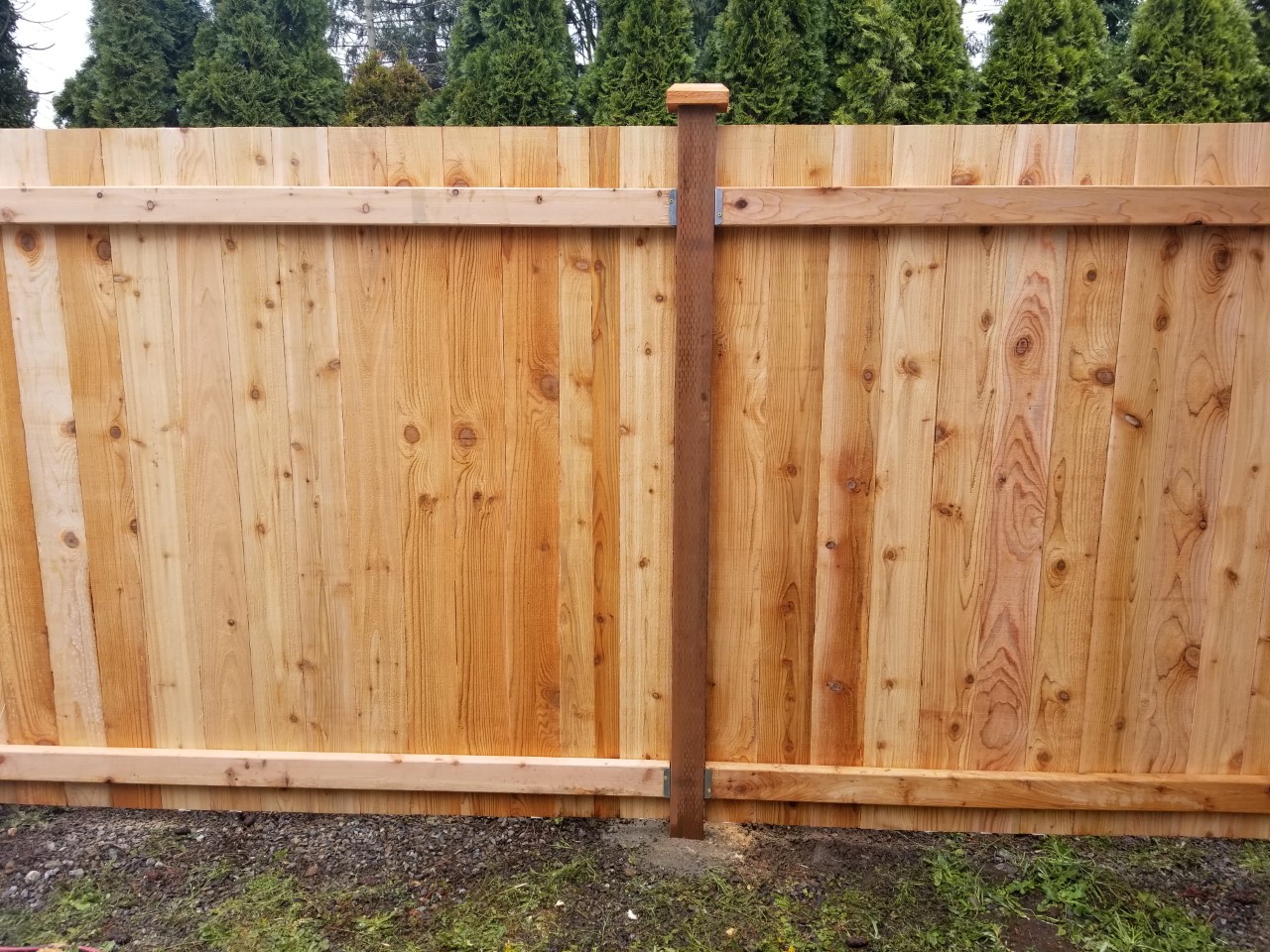
Whether you’re having a new fence installed or replacing one that’s starting to show signs of age, you can trust us to do a professional job. Reach out today to (253) 642-0705 to schedule an appointment.
Wood and water usually do not get along. That is the whole problem with a lot of fencing, and it is why the type of lumber matters more than people expect. Cedar is naturally resistant to rot and decay because the wood produces its own oils, and those same oils keep insects from settling in. No chemical bath required. That matters a lot in a place like Tacoma, where posts and boards can stay damp for weeks at a stretch during the wet season. A material that shrugs off moisture on its own has a real head start on lasting, which is a big reason cedar stays such a popular choice with homeowners across the area.
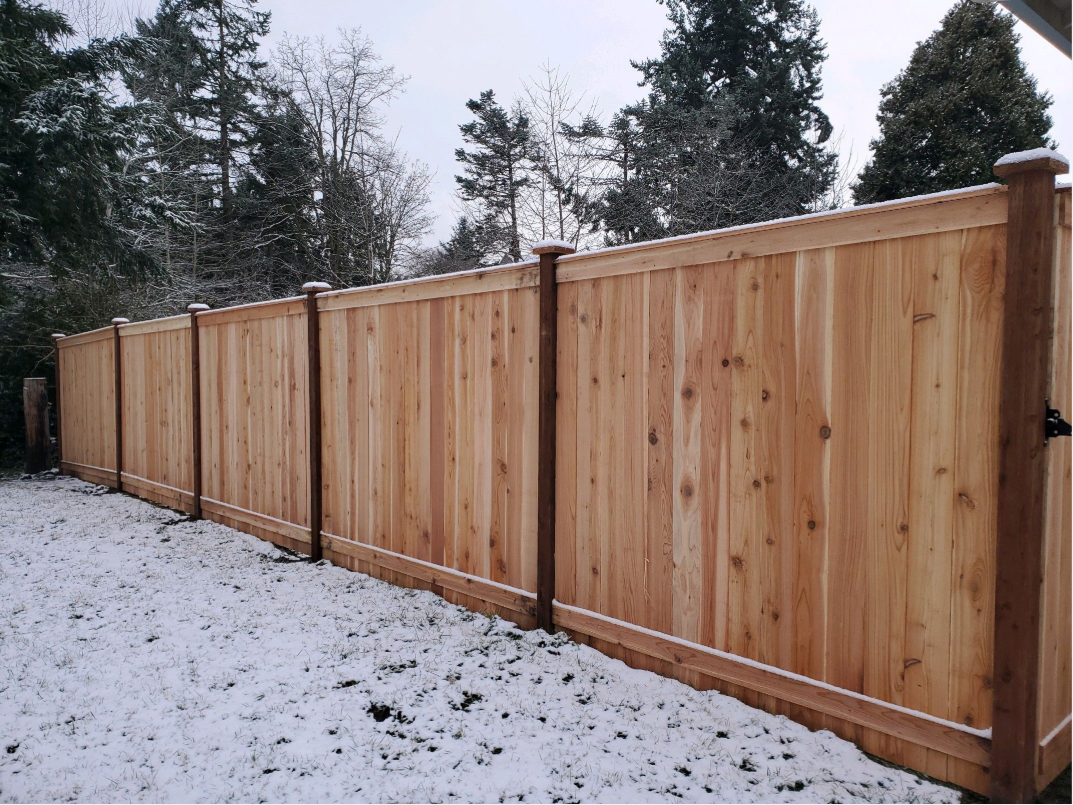
Cedar fencing is considered to be one of the best wooden fencing options on the market. A cedar fence will last longer than any other type of wood fencing, hold up well to extreme weather, resist warping, and give your yard a more stylish, sophisticated appearance.
Cedar comes in different grades, which perform differently, so it helps to know what you are paying for. Western red cedar is the premium option and the one worth building with, since it carries that natural beauty most people picture when they think of a wood fence. The color runs warm and even, and it takes a stain nicely if you ever want to shift the tone. Cedar is also a fairly stable softwood, meaning it tends to hold its shape reasonably well as it dries out and weathers, which helps keep a fence looking clean rather than cupped and rough. None of that makes the wood maintenance-free, but it does explain why cedar keeps landing at the top of the list for quality and versatility.
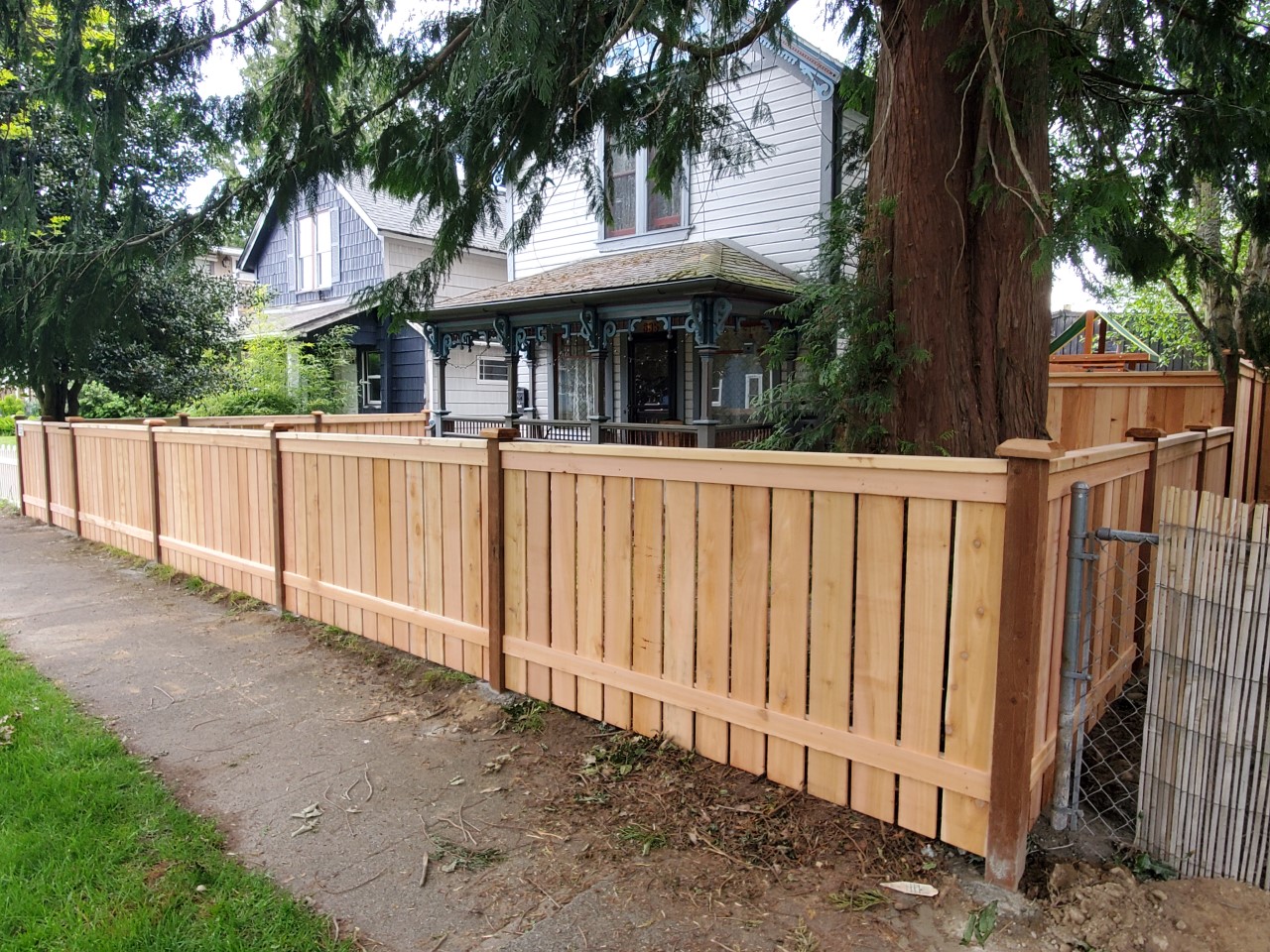
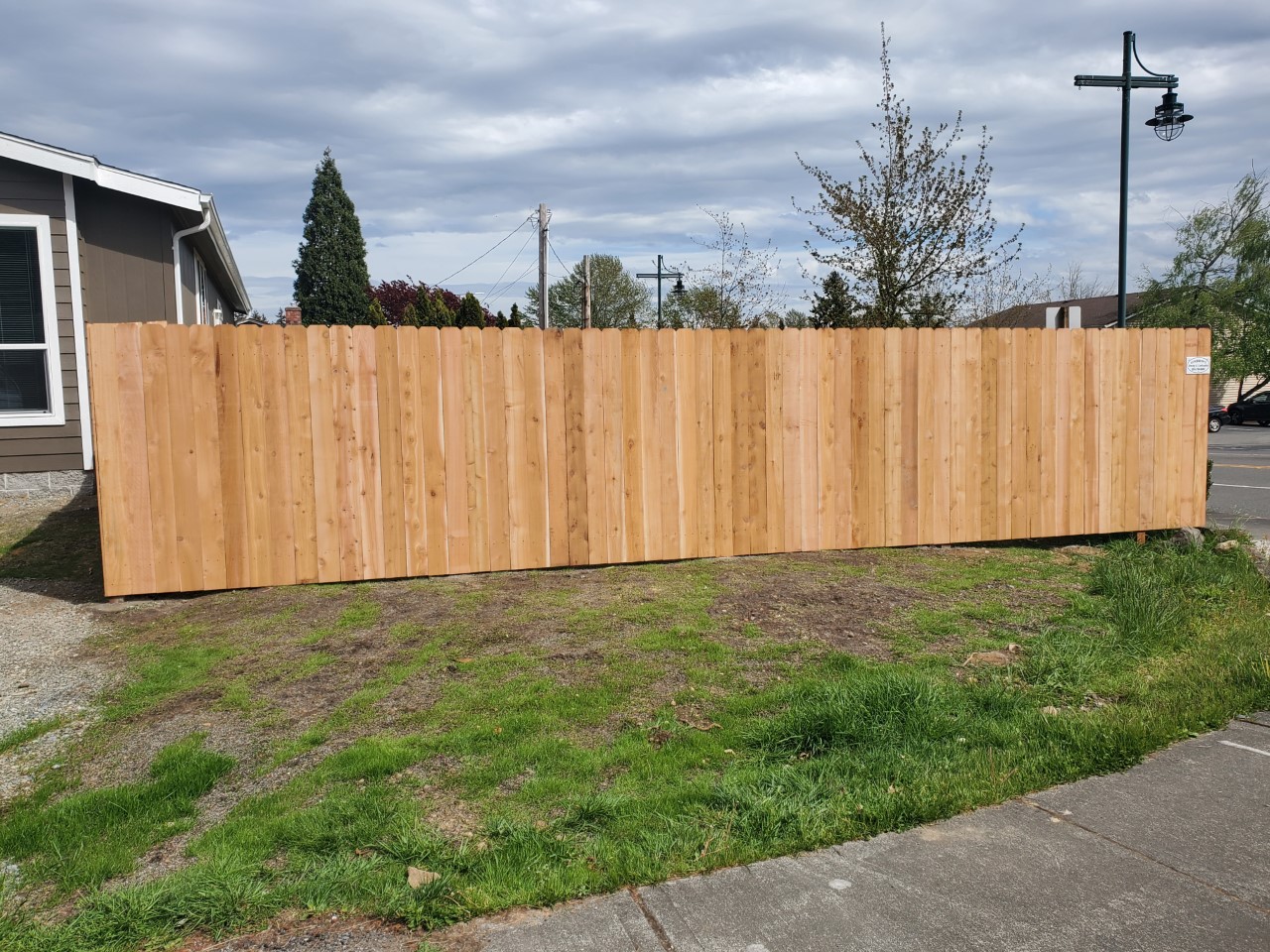
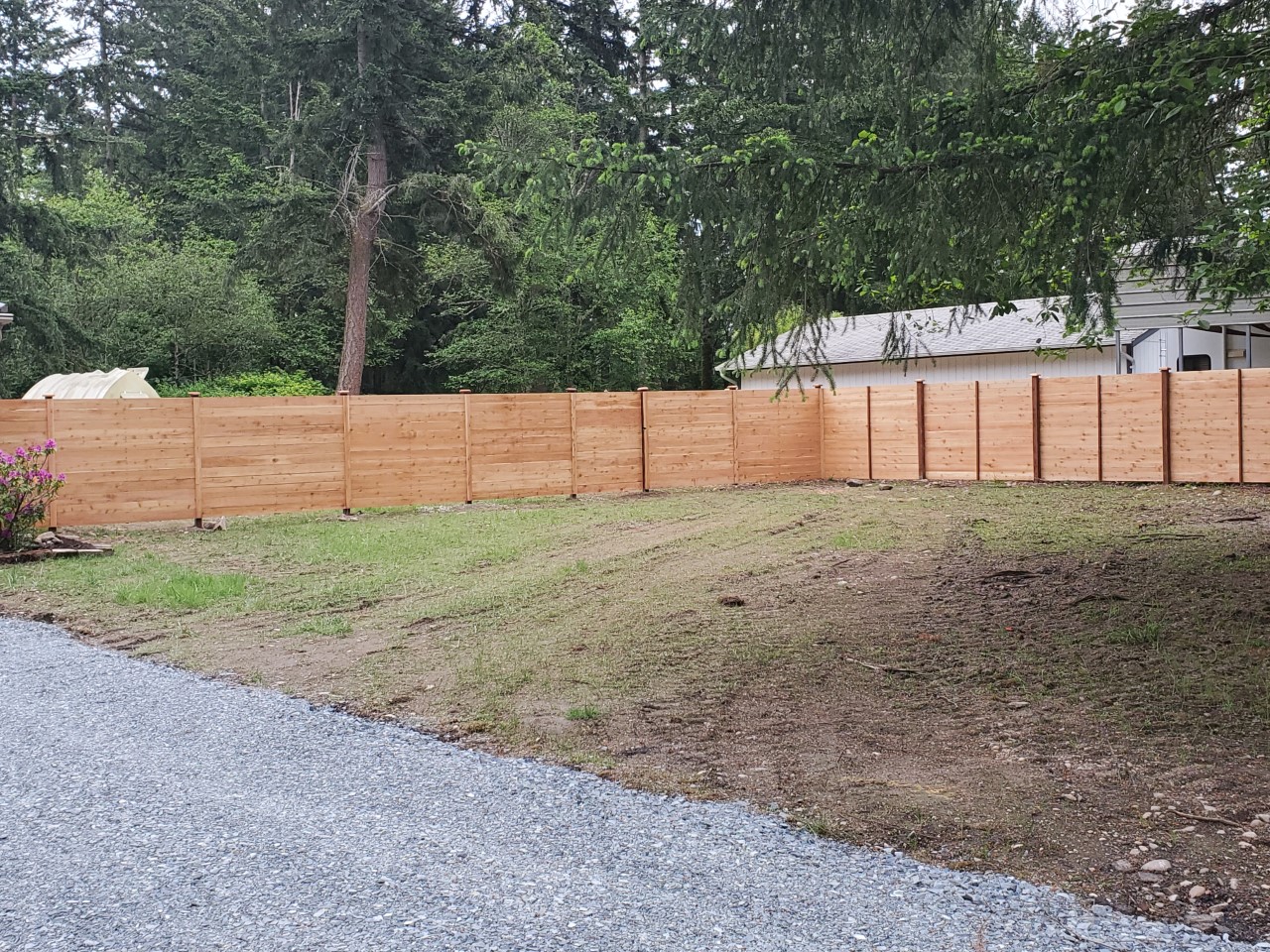
One thing people don’t always realize about cedar fencing is just how many style options exist. You’re not locked into one look. Privacy fences with tight board spacing are probably the most common request we see, but horizontal designs have been gaining popularity lately, too.
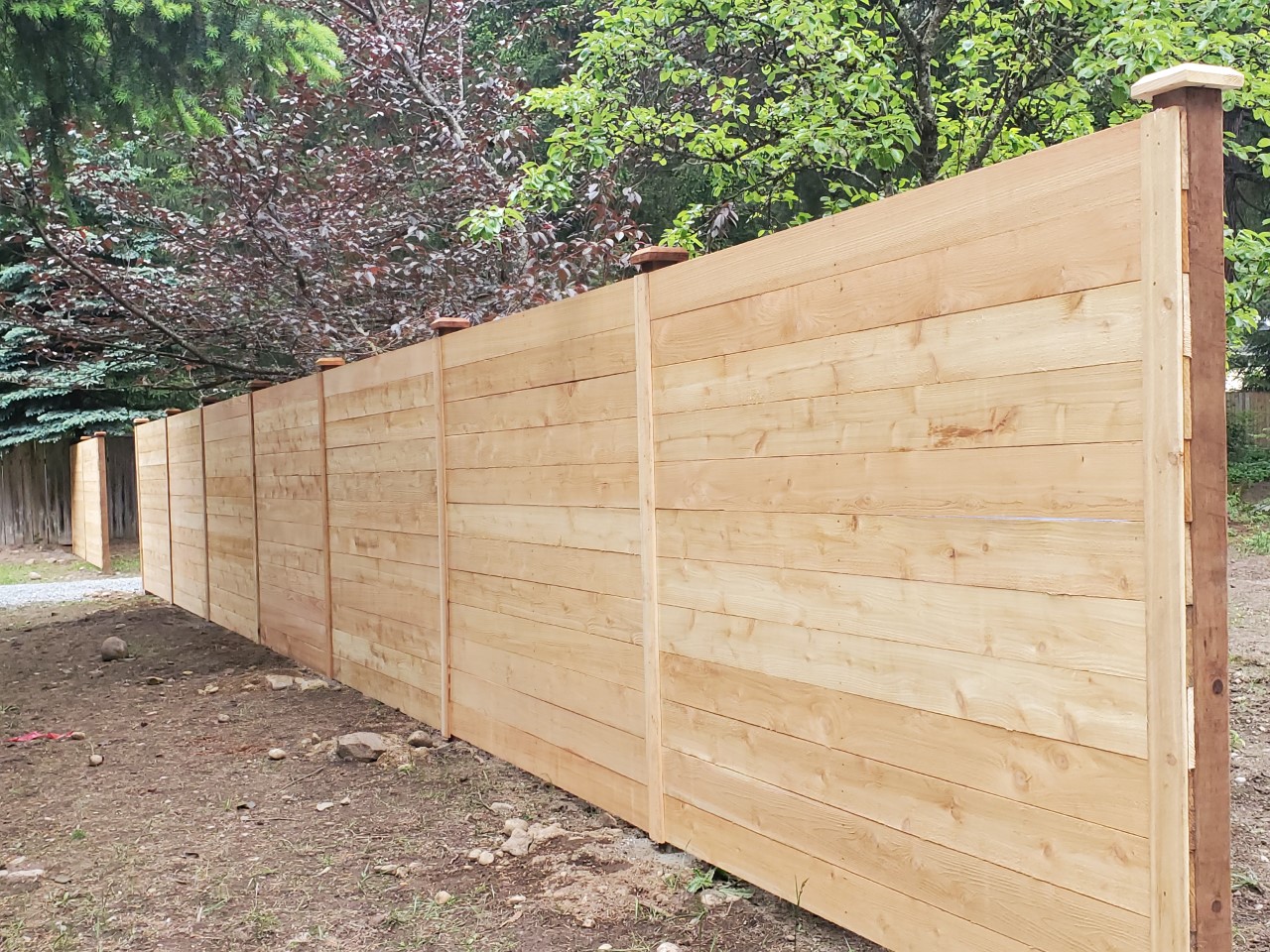
The horizontal style gives off a more modern vibe, almost like something you’d see in a home design magazine. It works especially well on properties with contemporary architecture or clean landscaping lines.
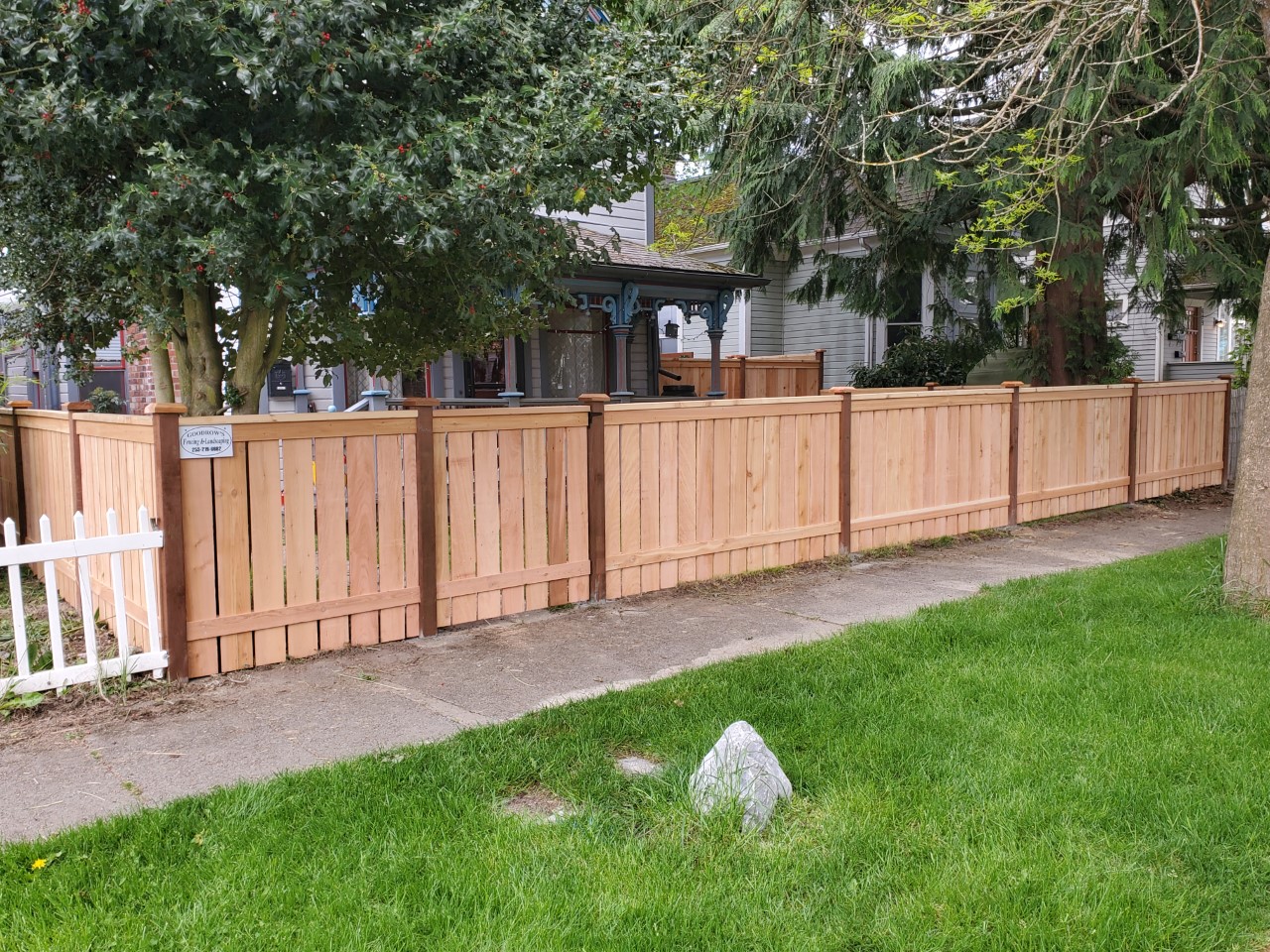
For those who want security without completely blocking the view, a shadowbox design places boards on alternating sides of the rails. Light and air pass through, but you still get decent privacy from most angles.
Any of these can be built for privacy, security, or to keep pets in the yard, and they all use the same reliable material. If you want the full rundown on how the wood behaves before you settle on a look, our breakdown of cedar fencing goes deeper into the material itself.
Cedar is a great choice, but it’s not the only one, and being honest about that beats overselling it. Pressure-treated pine costs less and is fine for plenty of jobs, though it usually does not match cedar for looks or lifespan. If low upkeep is the priority, vinyl fencing holds its color and asks for almost nothing in return, but its design options are narrower, and the starting cost can be higher. Cedar is a great choice for many Tacoma homeowners: it has the charm of real wood, solid durability and moisture resistance, and enough style options to fit most yards. The best fit comes down to your budget, the look you want, and how much maintenance you are willing to take on.
Pine is usually the cheapest route if you’re looking at wood fencing, but there’s a catch. Without heavy treatment, pine doesn’t hold up well against moisture or insects. Pressure-treated wood addresses some of those issues by forcing preservatives into the lumber, but even then, you’re often looking at a shorter lifespan than what cedar naturally offers.
The treatment chemicals can also raise concerns for homeowners with nearby gardens or pets that like to chew on things.
Cedar sits in a different category. Yes, you’ll pay more upfront compared to pine or basic pressure-treated wood, but the durability and resistance to decay usually mean fewer repairs and replacements later on. Over a span of fifteen or twenty years, that math often works out in cedar’s favor. And there’s the appearance factor too. Cedar just has a warmth and natural beauty that treated lumber can’t quite match, no matter how many coats of stain you put on it.
Naturally resistant to rot, decay, and insects. Less prone to warping and shrinking. Beautiful reddish-brown color that ages gracefully. Lasts for decades with minimal maintenance.
Usually the cheapest route, but without heavy treatment, pine doesn’t hold up well against moisture or insects. Expect warping and cracking within the first several years.
Preservatives forced into the lumber help address some decay issues, but you’re still looking at a shorter lifespan than cedar. Chemical treatments can raise concerns near gardens and pets.
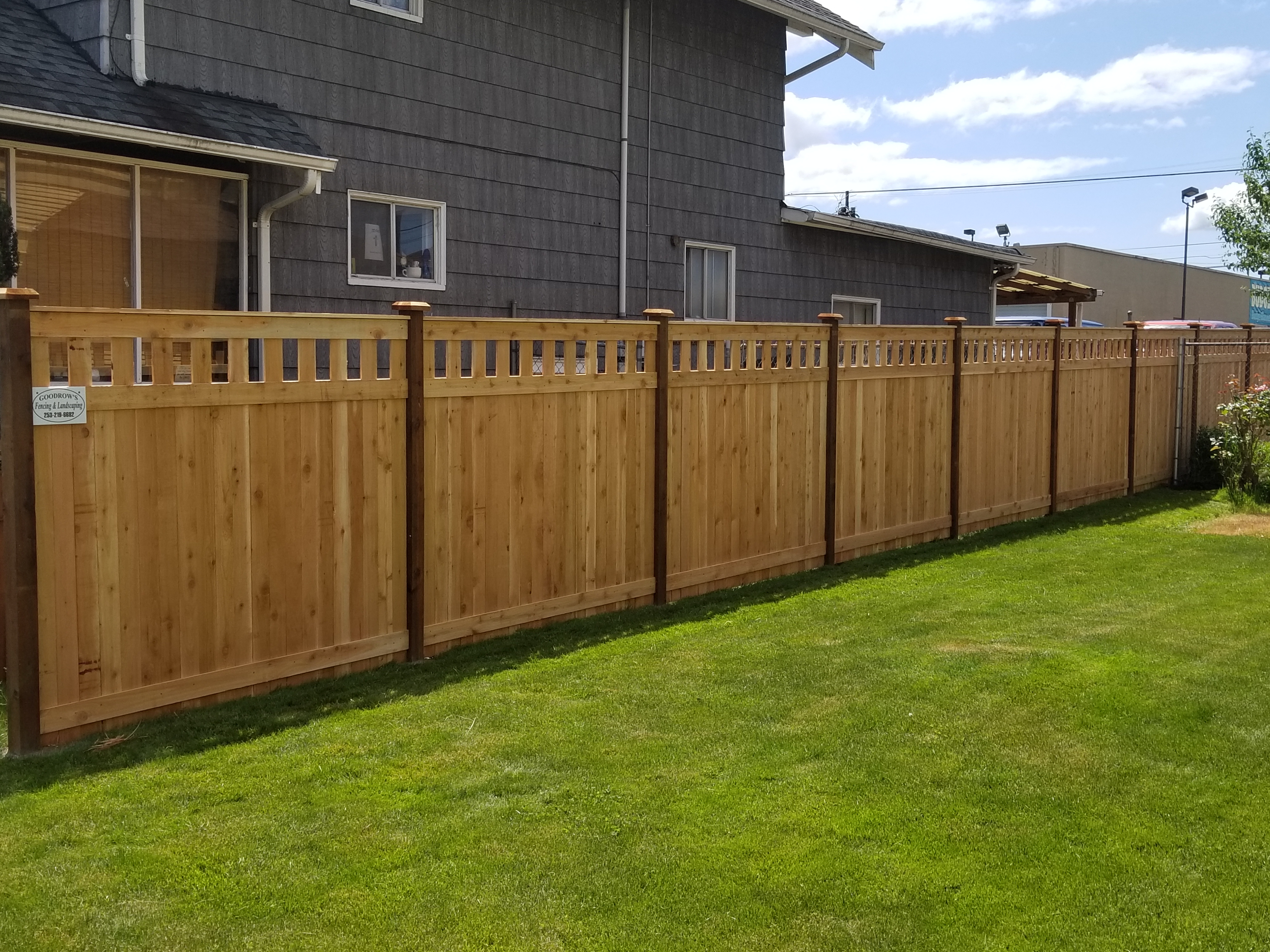
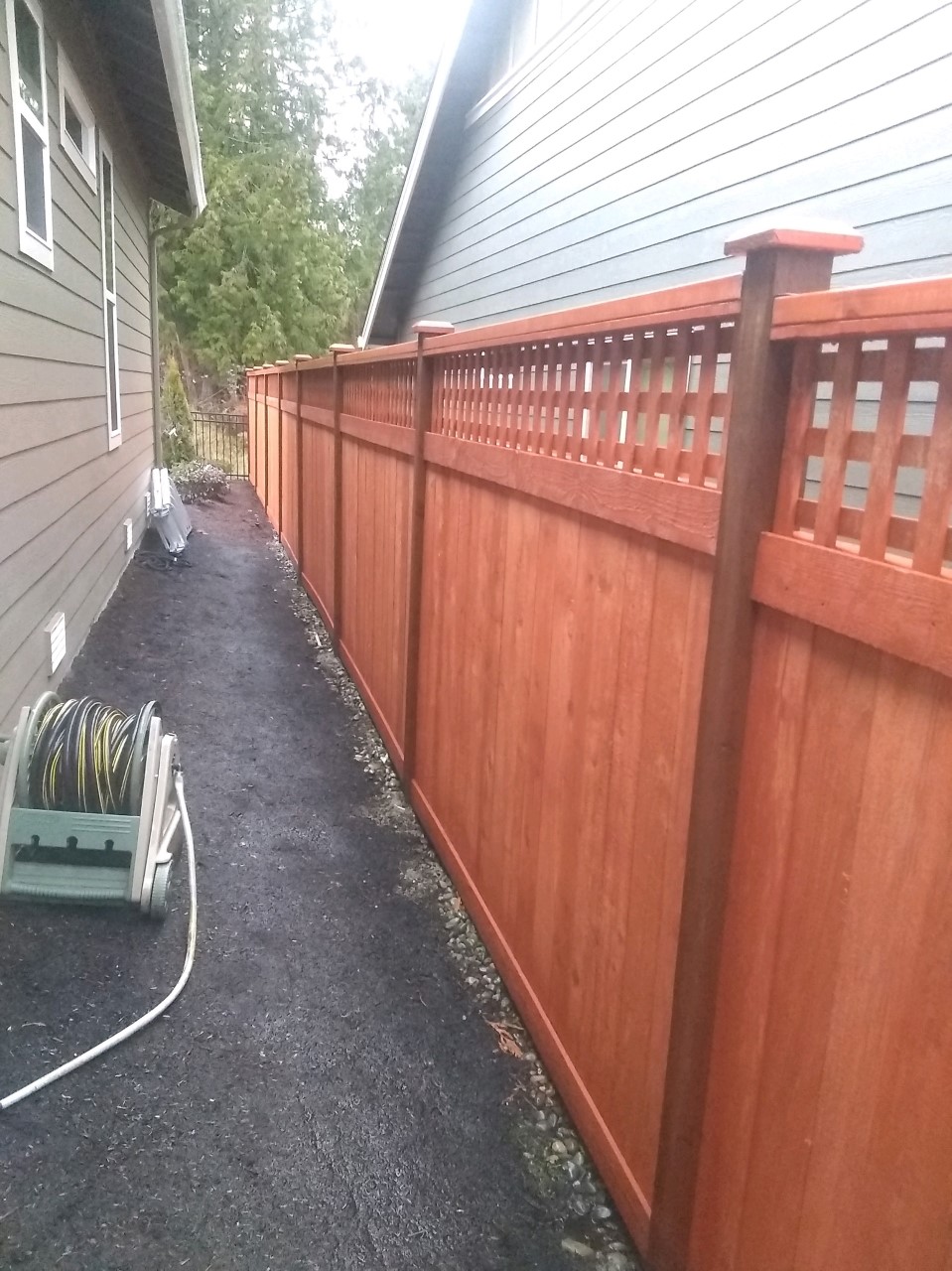
Many homeowners get tripped up during maintenance. Cedar is naturally resistant to a bunch of stuff, sure, but that doesn’t mean you can install it and forget about it forever. The wood will gray over time if left untreated. Some people actually prefer that weathered silver look, and if that’s your thing, great. But if you want to keep the original reddish brown color, you’ll need to apply a stain or sealant every few years.
Cleaning your fence once or twice a year helps too. A quick rinse with a hose knocks off dirt and debris, and for tougher buildup, a mild soap solution works fine. Avoid pressure washing on high settings, though. That can damage the wood grain and create rough spots where moisture collects later. Sealing after cleaning locks in protection and keeps the color looking fresh.
Building a fence that actually lasts involves more than just nailing boards to posts. The wood posts themselves need proper depth and solid footings, especially here in Washington, where the ground can get pretty saturated during rainy months.
Installation starts with marking property lines and discussing placement with the homeowner. Getting that wrong causes headaches nobody wants to deal with.
Post holes are dug, concrete footings are poured, and everything is leveled before any boards go up. Skimping on foundation work is how you end up with a fence that leans or shifts.
Rails attach to the posts, and then the cedar boards are secured to create the chosen style. We handle everything from start to cleanup.
The entire project timeline depends on the fence’s size, terrain, and permit requirements. We handle everything from start to cleanup, so you don’t have to figure out logistics on your own.
Privacy from neighbors and street traffic without an industrial look. A premium appearance that adds curb appeal and property value to your home.
Natural resistance to rot, decay, and insect damage. Stability that withstands Pacific Northwest weather patterns year after year.
Style options range from traditional privacy to modern horizontal designs. Versatility for both residential backyards and commercial properties.
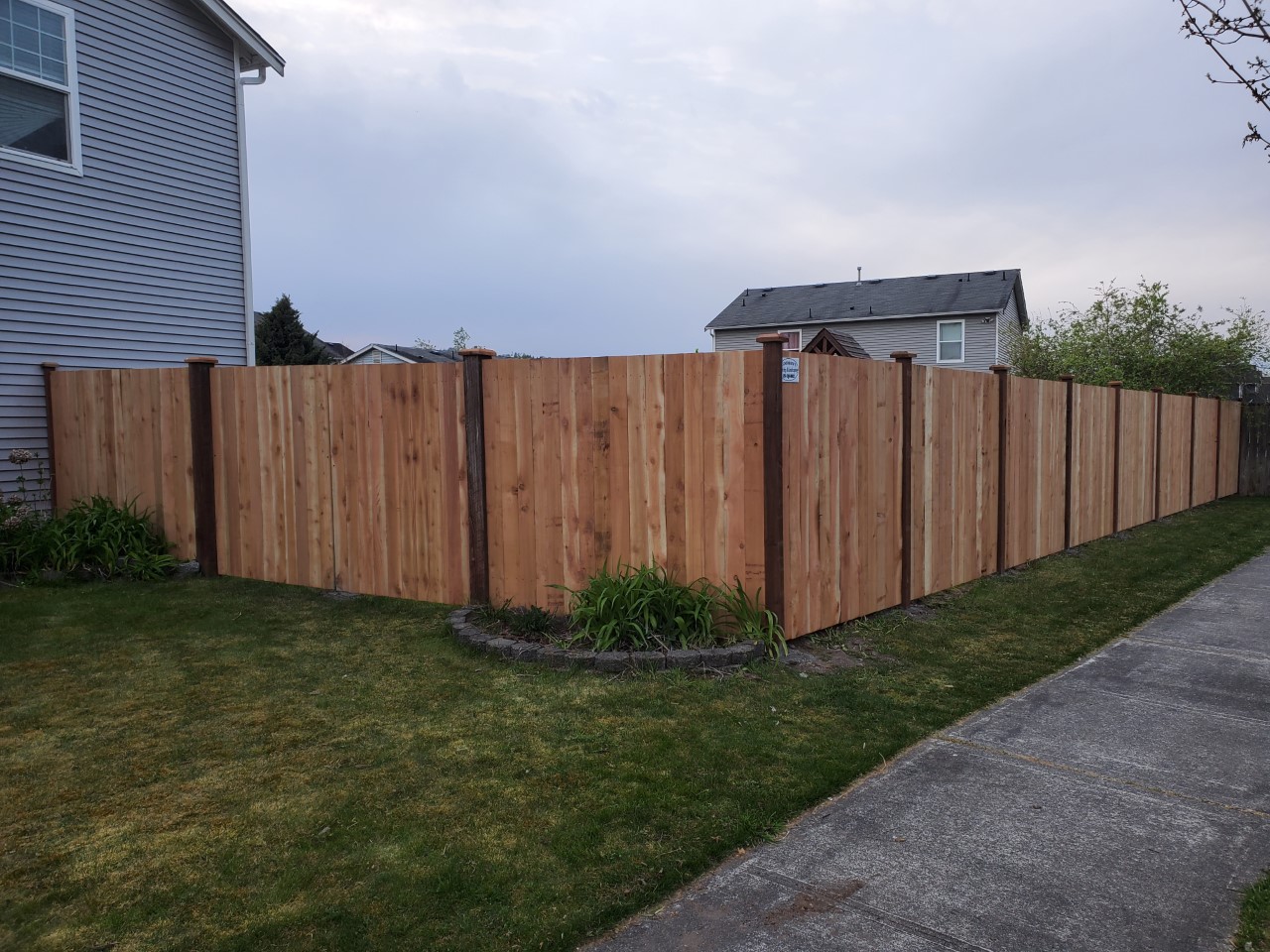
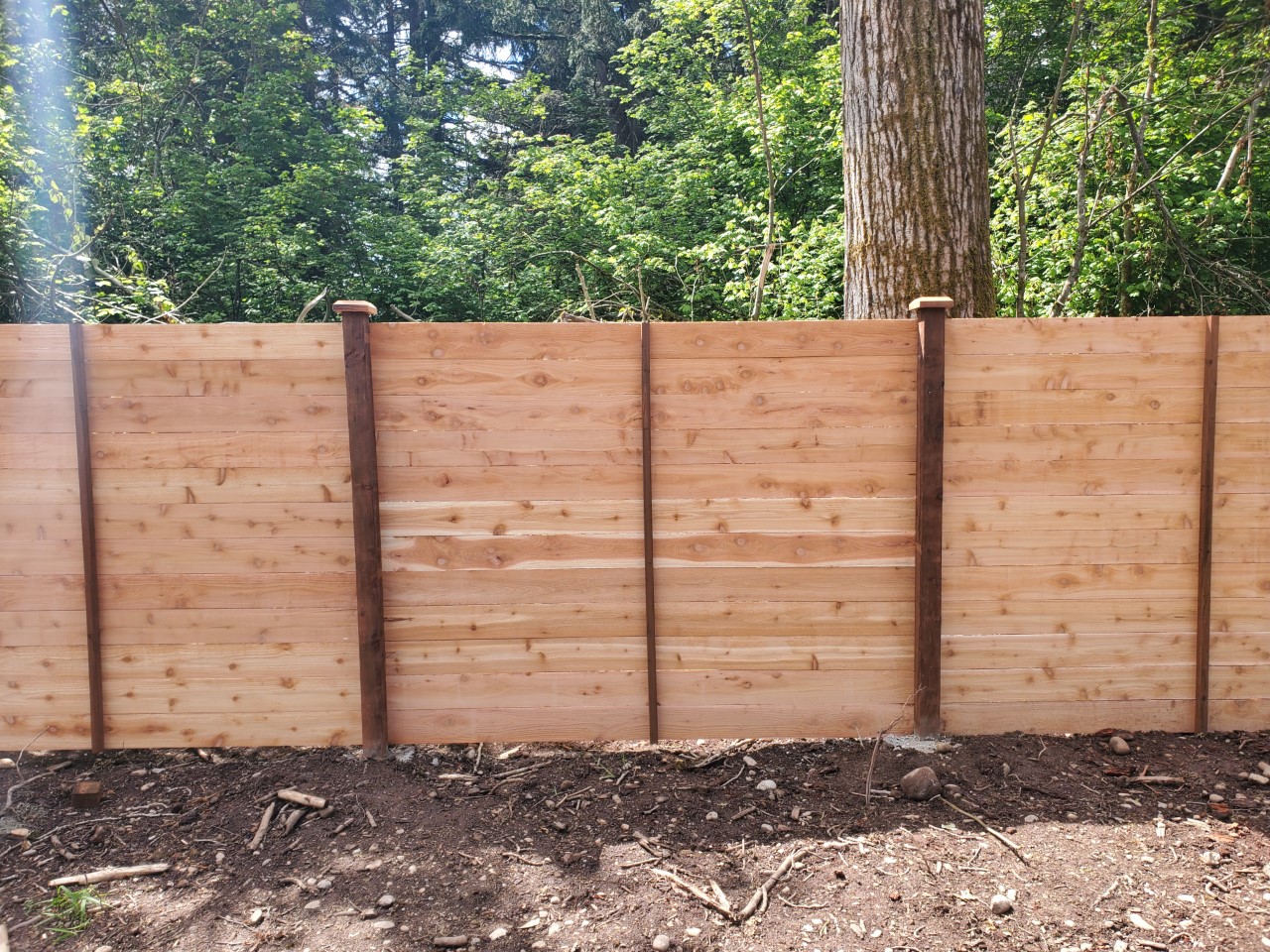
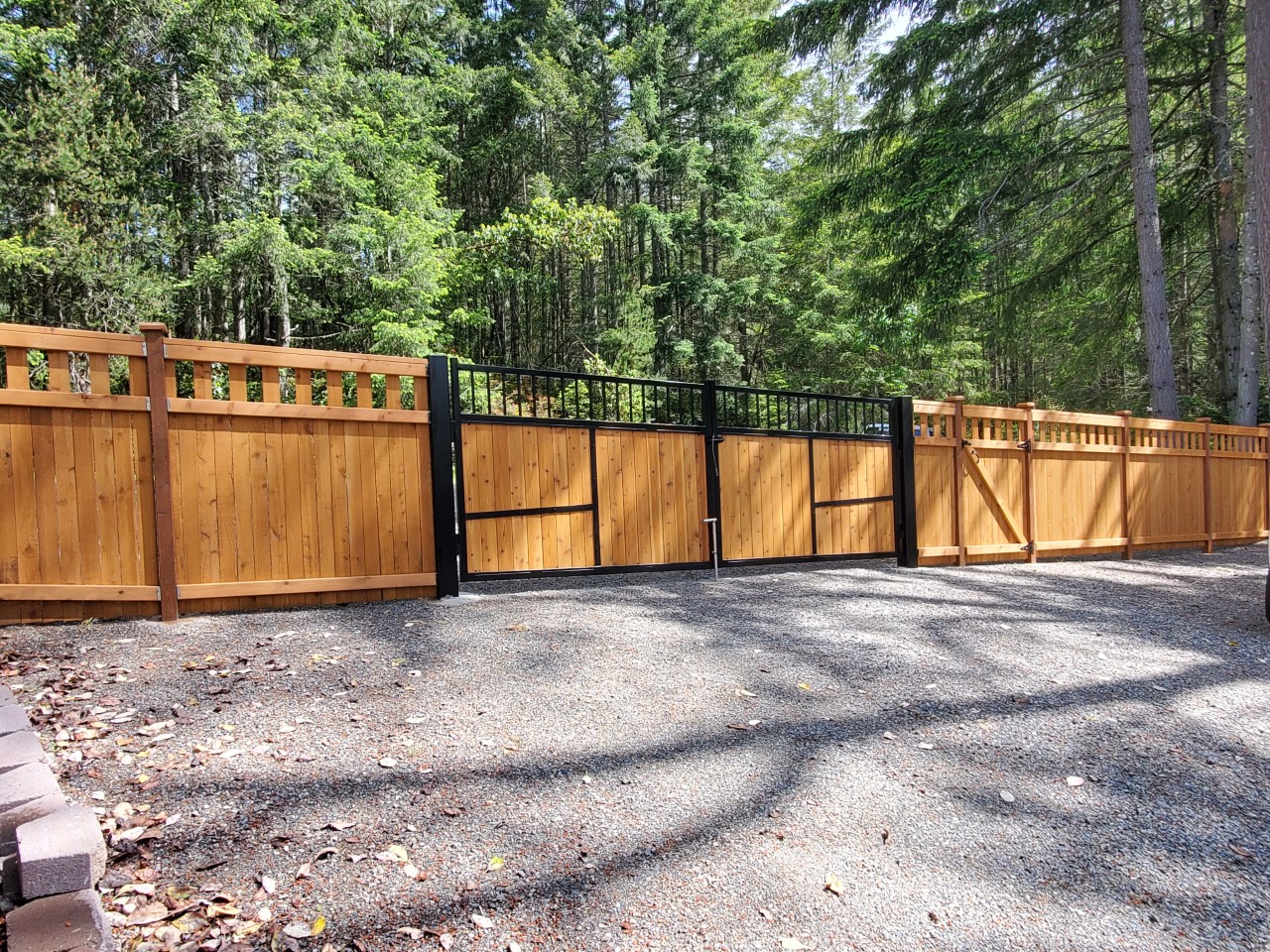
If cedar fencing sounds like the right fit for your property, the next step is pretty straightforward. A consultation lets us walk the area, talk through your goals, take measurements, and put together an estimate based on what you’re actually working with. Every yard is different, so cookie-cutter quotes don’t really tell you much.
Whether you’re in Spanaway, Puyallup, Tacoma, Lakewood, or any of the surrounding communities in Pierce and Thurston Counties, our team can help you figure out the best approach for your situation. We’ve been doing this job long enough to know what works in this region and what doesn’t. And honestly, there’s not much that beats the look of a well-built cedar fence surrounding a home. It’s one of those things that just makes a property feel complete.
Get a Free Estimate