

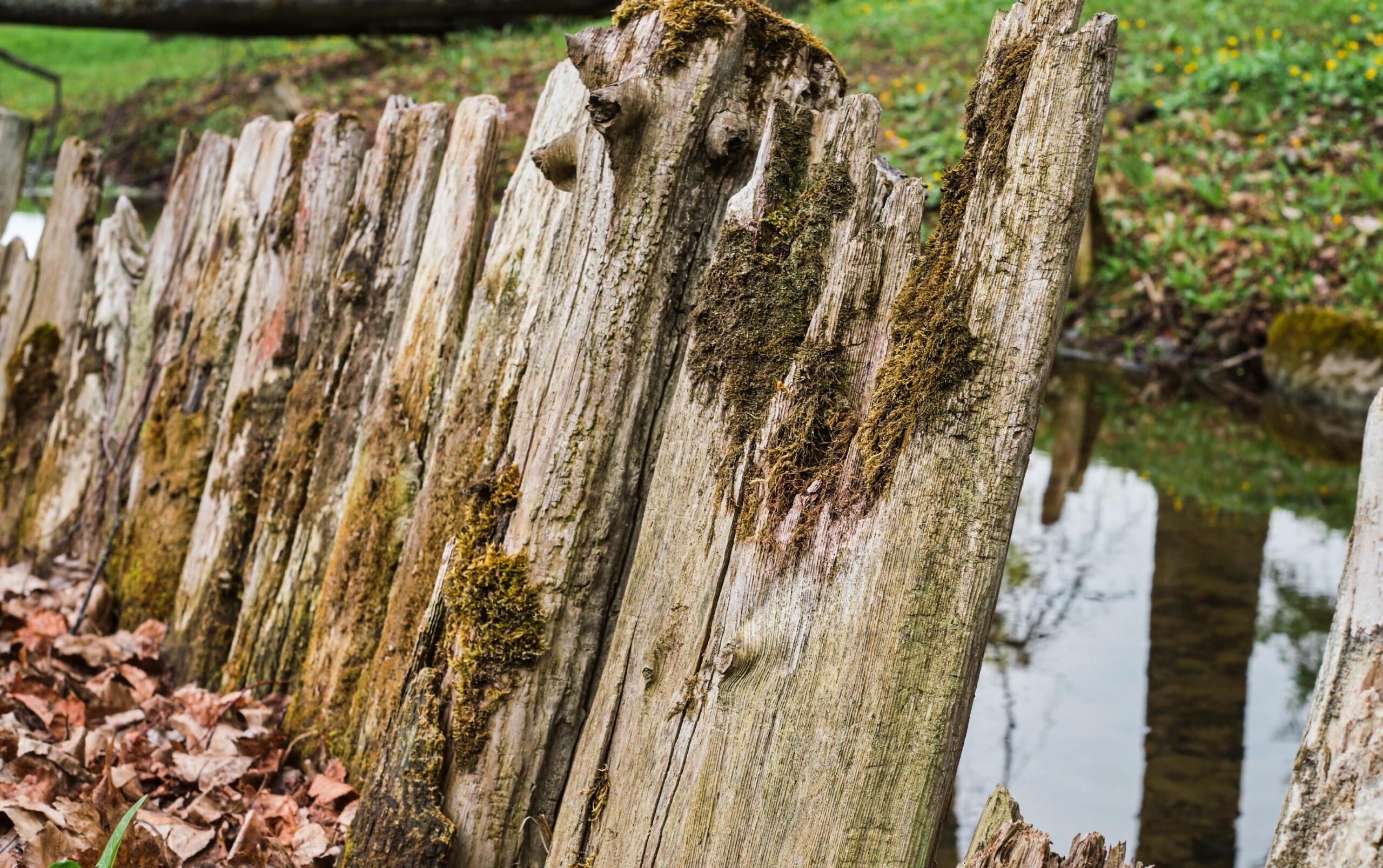
Cedar is one of the best fencing materials for western Washington, but even cedar needs help in Tacoma’s wet climate. Long rainy seasons, damp soil, and poor drainage can shorten the life of a fence if moisture is allowed to sit against the wood. As a trusted fence company in Tacoma, WA, we have seen the difference between a cedar fence that lasts 20 years and one that starts failing in half that time.
The good news is that most cedar fence rot is preventable. It comes down to proper installation, sealing, drainage, and routine maintenance.
Why Cedar Fence Rot Happens
Cedar naturally resists moisture and decay better than many other woods. That is one reason it performs so well in the Pacific Northwest. But that resistance is not permanent.
Over time, cedar weathers. The surface becomes more absorbent, moisture gets into the wood, and fungal growth can begin. That fungal growth is what causes rot.
Rot usually starts in the same places: at the base of fence posts, near the bottom of boards, and on any horizontal surface where water sits instead of draining away. These areas stay wet the longest after rain, so they need the most attention.
Why Installation Matters First
Good maintenance can help a cedar fence last longer, but it cannot fully fix poor installation. If the fence starts with bad post depth, weak footings, or boards sitting directly on soil, rot risk is already built into the structure.
Posts set too shallow can shift in Tacoma’s wet soil. Once posts move, gaps and cracks open up, and water finds places to collect. Boards that touch the ground absorb moisture constantly, which causes the bottom edges to decay faster.
When we install cedar fencing, we set posts at the right depth, use concrete footings, and keep boards positioned to reduce ground contact. That foundation makes every future maintenance step more effective.
How and When to Seal a Cedar Fence
Sealing is one of the best things you can do to protect a cedar fence in Tacoma. A good sealant slows moisture absorption and helps keep the wood from weathering too quickly.
The first seal is the most important. Ideally, cedar should be sealed within the first year after installation, before it has had time to weather heavily.
After that, most fences should be resealed every three to five years. A fence that gets a lot of sun, wind, or rain exposure may need attention sooner.
Penetrating oil-based stains and clear water repellents both work well. Semi-transparent stains add color while still showing the wood grain. Solid stains offer more coverage but hide more of the cedar’s natural look.
Apply sealant during a dry stretch, with no rain in the forecast, and give the product enough time to cure before the next storm.
Managing Drainage Along the Fence Line
Sealing protects the wood from rain and humidity. Drainage protects the base of the fence from standing water. Both matter.
If water pools along your fence after heavy rain, the posts and lower boards are being exposed to moisture for too long. Over time, that can overwhelm cedar’s natural resistance and speed up rot.
After a storm, walk the fence line and look for standing water. If you see pooling, simple grading may help move water away from the base. In some areas, adding gravel along the fence line can improve drainage and reduce direct soil contact.
For bigger drainage problems, the slope of the surrounding ground may need to be adjusted.
Routine Maintenance That Helps Cedar Last
A few simple habits can add years to the life of a cedar fence.
Keep plants and vines trimmed back from the fence. Vegetation holds moisture against the wood and blocks airflow, which makes decay more likely.
Clear mulch, soil, leaves, and organic debris away from the bottom of the fence. Anything that holds moisture against the boards or posts increases rot risk.
Walk the fence line at least once a year. Look for cracked boards, leaning posts, worn sealant, loose fasteners, or soft spots near the base. Small problems are much easier to fix before they spread.
Check the gate hardware too. Loose hinges or latches put stress on posts and boards, which can loosen the fence over time.
When Rot Has Already Started
If you already see rot, the next step depends on how far it has gone.
Light surface rot on a board may be treatable with wood hardener and fresh sealant. But boards that are soft, crumbling, or rotted through should be replaced.
Post rot is more serious. Once a post rots at or below ground level, it loses structural strength. If the fence is leaning because of a rotted post, patching will not solve the problem. The post usually needs to be removed, the old footing pulled, and a new post set properly.
When to Call for Cedar Fence Repair
If you notice leaning posts, multiple rotted boards, loose sections, or movement along the fence line, it is time to have the fence inspected.
Some sections can be repaired. Others may be more cost-effective to replace, especially if rot has spread across several posts or panels.
A professional inspection can tell you whether the fence needs a small repair, a post replacement, or a larger rebuild. The sooner you catch rot, the more options you usually have.
Related Topics: