
Maintenance cost separates fence materials more sharply than purchase price does. Two fences that quote within a few hundred dollars of each other at installation can diverge by thousands over fifteen years, depending entirely on what each one needs to stay sound in Pierce County’s climate.
We install all four of these materials and we repair all four, which gives us a clear view of what each one actually demands once the crew has packed up. This breakdown covers the recurring work rather than the install quote.
Why Maintenance Cost Matters More Than Install Price Here
A fence in a dry climate can be neglected for a decade and look much the same. That is not available to us. Steady rainfall, saturated soil through winter and long damp stretches in spring and fall mean the materials that need attention genuinely need it, on a schedule, or they fail early.
That changes the arithmetic on material choice. A cheaper fence that needs sealing every two years and a replacement at year fifteen may well cost more across its life than a pricier one that needs a wash and nothing else. It is common for homeowners weighing fencing and decking services to fixate on the upfront install cost, though the real question is what the following ten years will bring. Both figures are reviewed during the estimate.
Cedar: Recurring Sealing Is the Whole Cost
Western red cedar carries natural oils that resist rot and insects, which is why it has been the regional default for so long. Those oils deplete over time, and in our climate the depletion runs faster than it would somewhere dry. Sealing or staining on a two to three year cycle is what keeps a cedar fence on track for the 15 to 20 year lifespan it is capable of.
That cycle is the real cost. A homeowner doing it personally spends a weekend and the price of materials each time. Hiring it out costs more and happens more reliably, which matters, because the failure mode for cedar is a schedule that quietly slips. Beyond sealing, cedar needs occasional board replacement where impact or ground contact has taken a toll, and attention to any spot where soil or vegetation sits against the wood. None of that is expensive individually. The total depends almost entirely on whether the sealing actually happens.
Vinyl, Iron and Chain Link Compared
The other three materials ask for far less, though none asks for nothing. Vinyl needs an annual wash, mostly to clear the algae film that our damp climate encourages on any surface that stays shaded. There is no sealing, no painting and no rot. When vinyl fails it is usually from impact or from an installation that did not account for how the material expands and contracts, not from weather exposure over time.
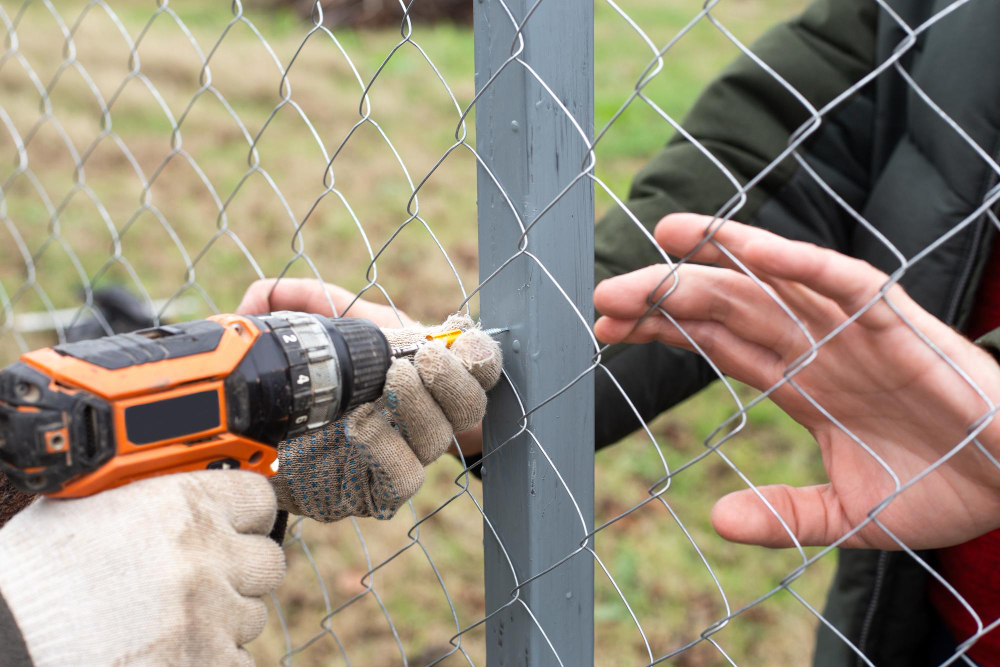
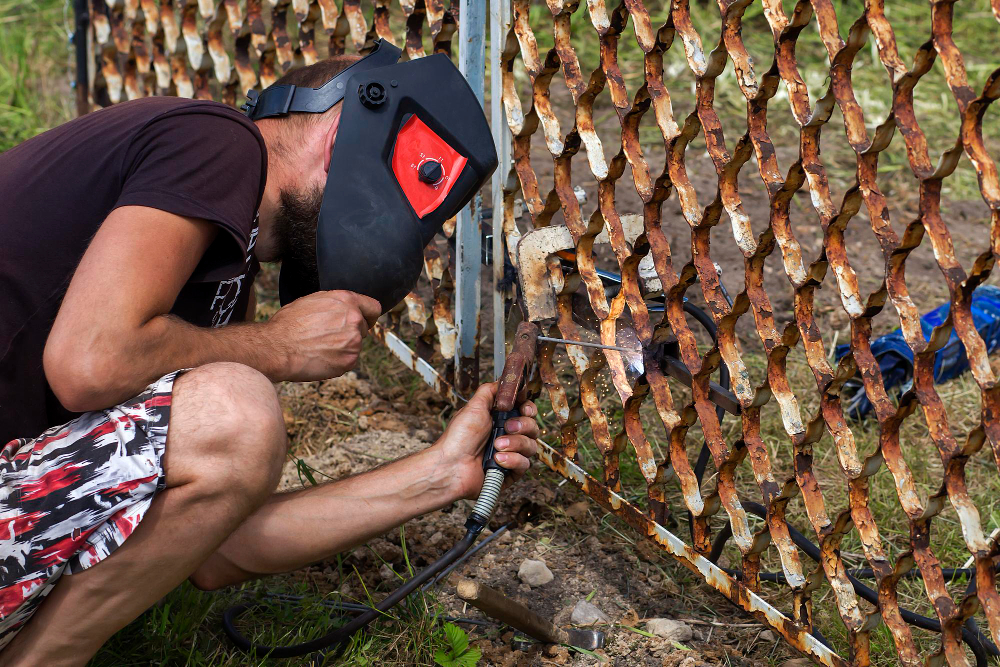
Ornamental iron trades rot for rust. The structure is unbothered by rain, but the protective finish is what stands between the metal and oxidation, and any chip or scratch becomes a starting point. Touching up damage as it appears is cheap. Letting it spread is not. Chain link is the lowest maintenance of the four by a clear margin, with galvanized components that tolerate moisture well and need little beyond occasional tension adjustment and attention to rust at cut ends.
| Material | Recurring task | Frequency | Relative annual cost |
|---|---|---|---|
| Cedar | Seal or stain | Every 2 to 3 years | Highest |
| Vinyl | Wash panels | Annually | Low |
| Ornamental iron | Touch up finish | As damage appears | Low to moderate |
| Chain link | Tension check, rust spots | Occasional | Lowest |
Weighing materials for a new fence? Call us at (253) 693-4337, we will price the install and walk you through what each option asks of you afterward. Free on site estimate, no obligation.
What Drives Maintenance Cost Up on a Specific Property
Material sets the baseline. Site conditions decide where a given fence lands within it, and two cedar fences in the same neighborhood can need very different amounts of work.
Shade is the big one. A fence line under tree cover stays damp long after an exposed run has dried, which accelerates everything on wood and encourages algae on vinyl. Vegetation pressed against the boards does the same thing continuously. Sprinkler heads that spray the fence keep one section wet on a timer all summer. Drainage that sends runoff toward the posts shortens the life of the anchoring regardless of what the boards are made of. Most of these are fixable for little or no money, and fixing them lowers maintenance cost more reliably than upgrading material does.
If ongoing upkeep is the deciding factor, this comparison of low maintenance fencing options goes deeper on how vinyl, aluminum and composite stack up against each other.
Choosing Based on Total Cost Rather Than Quote
The right material depends on honest self assessment. A homeowner who genuinely will reseal cedar on schedule gets a beautiful fence with more style options than anything else offers, at a reasonable total cost. A homeowner who knows that weekend will never arrive is better served by vinyl or iron, even at a higher install price, because the alternative is a cedar fence failing years early.
We say this directly at estimates because the alternative is worse for everyone. A fence that fails at year nine because nobody sealed it reflects on the contractor who built it, fairly or not. Across more than 500 projects in Pierce and Thurston County, the installations that have aged best are the ones where the material matched what the owner was realistically going to do.
Want the full picture before you decide? Give us a call at (253) 693-4337, we serve Tacoma, Spanaway, Puyallup, South Hill, Lakewood and Bonney Lake, and our estimators will price the install and the upkeep side by side. Veteran owned and operated since 2006, licensed, insured and bonded, with Hearth financing and a 5% discount for military, first responders and seniors.
Related Topics: