

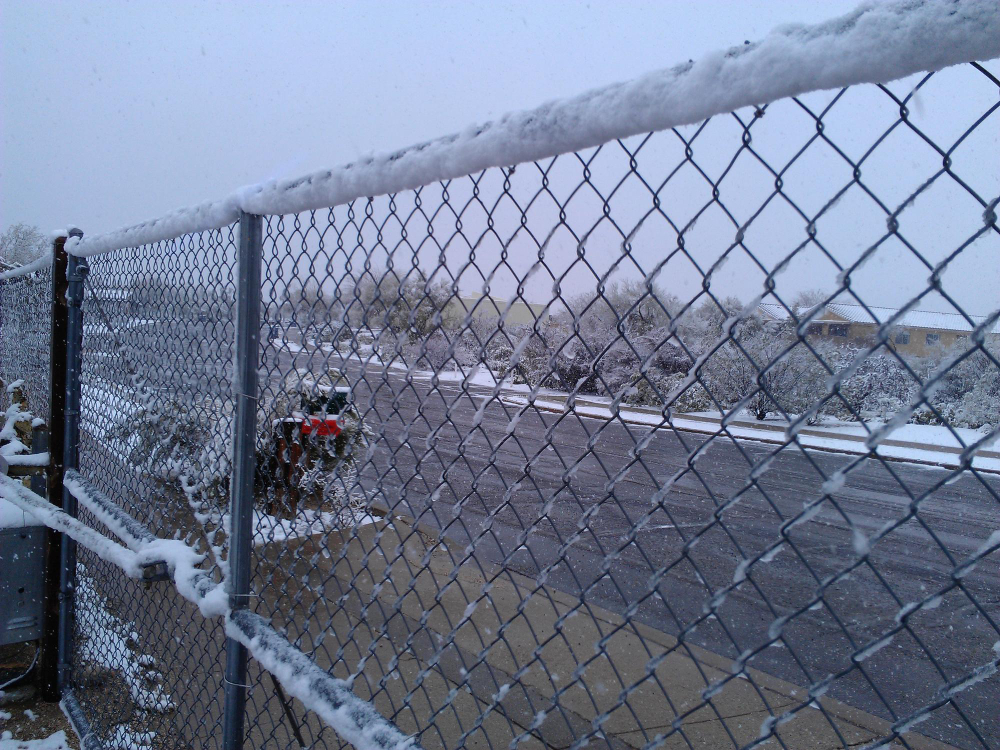
Freezing temperatures damage fence posts by expanding the water already held in the surrounding soil, which lifts, tilts and cracks anything anchored in it. Tacoma does not get brutal winters, but it gets saturated ground followed by overnight freezes, and that combination does more damage to fence posts than a colder, drier climate would.
We have watched this pattern repeat across Pierce County since 2006. Homeowners call in February about a fence that stood straight in November, and the boards are untouched. The movement happened underground.
What Frost Heave Actually Does to a Post
Water expands roughly nine percent as it freezes. Soil holding that water expands with it, and the expansion pushes outward in every direction, including up. A fence post sitting in that soil gets lifted along with everything around it. When the ground thaws, the soil settles back down. The post does not always come with it.
Repeat that cycle through a winter and the post works its way upward by small increments, each one permanent. This is why heaving damage looks so strange to homeowners. Nothing broke, nothing blew over, and yet one post now stands an inch proud of its neighbors with the rails pulled out of line. Fencing and gate installation work across the county involves setting posts specifically to sit beneath where that freezing action occurs, which keeps the anchoring depth stable while the surface layer moves.
Why Saturated Soil Makes It Worse Here
A dry freeze does very little. There has to be water in the soil for expansion to happen at all, and that is where our climate works against the fence. Pierce County soil goes into winter already saturated from months of rain, so when a cold night arrives there is abundant water available to freeze.
Drainage decides how bad it gets on a given property. Yards that shed water quickly see less movement because less water is sitting in the soil column when temperatures drop. Yards with clay content, a low spot along the fence line, or downspouts emptying near the posts hold water right where the posts are anchored, which is also how most rain damage at the post base starts. Two neighbors on the same street can get completely different results from the same winter for this reason alone.
Noticed a post moving this winter? Call us at (253) 693-4337, we provide free on site estimates and will tell you honestly whether it is a single post problem or a drainage problem that will keep repeating.
Cracking, Splitting and Shifting by Material
Cold affects each material differently, and the failure mode tells you a lot about what went wrong. Wood posts absorb moisture, and water trapped inside the grain expands when it freezes, forcing the fibers apart from within. That produces the vertical splits that show up on cedar posts after a hard winter.
Vinyl behaves differently. It does not absorb water, so internal splitting is not the issue. Vinyl becomes more brittle in cold weather instead, which means an impact that would bounce off a panel in July can crack it in January. Metal posts face neither problem structurally, though freeze and thaw movement in the soil will still tilt them, and any break in a protective coating gives moisture a place to start rust.
- Cedar: vertical splitting from internal moisture expansion
- Vinyl: brittleness and impact cracking in cold snaps
- Ornamental iron: tilting from soil movement, rust at coating breaks
- Chain link: loosened tension and leaning terminal posts
- Any material: heaving where posts sit above the freeze layer
How Post Depth and Drainage Prevent the Problem
Depth is the primary defense. A post anchored below the depth at which the ground freezes has its holding power in soil that stays stable all winter, so surface movement cannot lift it. Frost depth varies by jurisdiction and soil type, and the local building department is the authority on the required figure for a specific address. We confirm it for the property before the first hole gets dug.
Drainage is the second half. Gravel at the base of each post hole gives water a path away from the post rather than a pocket to collect in, which reduces the amount of water available to freeze right where it does the most harm. On sites with real drainage problems, fixing the water first is cheaper than resetting posts every few years. We would rather have that conversation at the estimate than after the second winter.
What to Check on Your Fence After a Cold Snap
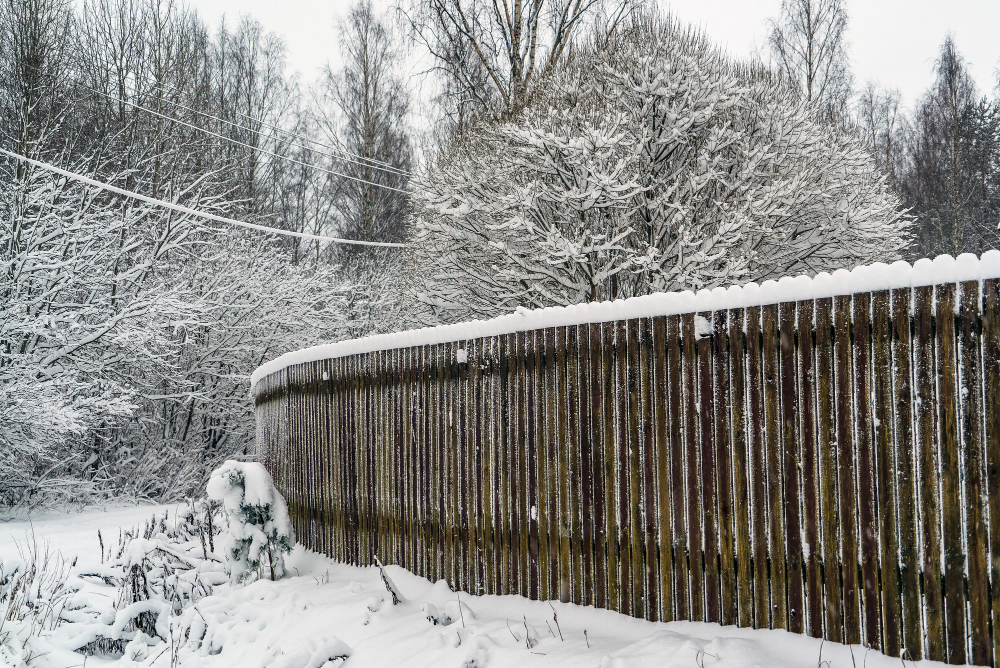
A walk along the fence line in late winter catches most of this early, while it is still a repair rather than a replacement. Sight down the top rail from one end. A line that dips or rises in one spot points to a post that has moved, and catching it in the first season usually means resetting one post instead of rebuilding a section.
Push on each post at shoulder height. Any give that was not there before suggests the anchoring has loosened, whether from heaving or from decay that cold weather accelerated. Check gates separately, since they show problems first. A gate that dragged in December and swings clean in April is telling you the posts are moving with the seasons, and that only gets worse. This breakdown of common automatic gate failures covers what post movement does to an automated system, where alignment tolerances are far tighter than on a manual gate.
Winter damage rarely announces itself. It shows up as a fence that is slightly less straight each spring until one season it is obviously wrong. Catching the first inch of movement is the whole game.
Ready to get the posts set right? Give us a call at (253) 693-4337, we have completed 500 and more projects across Pierce and Thurston County since 2006, and we set every post for the conditions on your property rather than a standard depth. Veteran owned, licensed, insured and bonded, with free on site estimates and Hearth financing available.
Related Topics: